Saturday, November 9, 2013

The Age of Antibiotics is Coming to an End, as Wider Variety of Bacteria are Now Impervious

By Dr. Mercola
Believing an antibiotic will cure your illness is taken for granted by most people nowadays, but that is rapidly changing. According to the experts, the age of antibiotic drugs is coming to an end. And the implications are dire.
There are two primary reasons for this drug demise.
  1. First, many strains of bacteria are becoming resistant to even our strongest antibiotics and are causing deadly infections. The bacteria are evolving faster than we are.
  2. Secondly, drug companies have all but abandoned the development of new antibiotics because of their poor profit margins.
The fact that the drug industry is showing no interest is itself an ominous sign! Big Pharma is much more interested in selling you drugs from which they can make a handsome profit, such as those marketed for cancer, heart disease, arthritis, diabetes, depression, Alzheimer’s and erectile dysfunction.
Experts have been warning about the implications of antibiotic resistance for years, but never before have their warnings been so emphatic. Dr. Arjun Srinivasan, associate director of the US Centers for Disease Control and Prevention (CDC), said to PBS Frontline:1
“For a long time, there have been newspaper stories and magazine articles that asked 'The end of antibiotics?’ Well, now I would say you can change the title to 'The end of antibiotics, period.'"
Nature has found a way around every antibiotic we’ve come up with, and we’re quickly running out of options. We now face the perfect storm to take us back to the pre-antibiotic age, and there is no comprehensive plan going forward. If our few remaining effective antibiotics fail, we can expect significant casualties.
Thankfully, there is a lot you can do to fend off infection naturally—and prevention is key, NOW more than ever!

Superbugs 23,000… Humans Zero

According to a landmark “Antibiotic Resistance Threat Report” published by the CDC2 earlier this year, 2 million American adults and children become infected with antibiotic-resistant bacteria each year, and at least 23,000 of them die as a direct result of those infections. Even more die from complications.
According to the Infectious Disease Society of America (IDSA), just one organism—methicillin resistant Staphylococcus aureus, better known as MRSA—kills more Americans each year than the combined total of emphysema, HIV/AIDS, Parkinson’s disease, and homicide.3
This death toll is really just an estimate, and the real number is likely much higher. The true extent of superbug infections remains unknown because no one is tracking them—at least not in the US.

Hospitals here are not required to report outbreaks of antibiotic-resistant bacteria, unlike in the EU where they are at least making efforts to track them. The US is in desperate need of a surveillance program for reporting and tracking this growing threat.4
What we’re seeing is the evolution of bacteria. Basically, microorganisms have learned to teach each other how to outsmart the best pharmaceutical drugs we have to offer, and they are definitely winning the battle.

The 18 Most-Dangerous Pathogens of 2013

The majority of the highly dangerous bacteria are in the Gram-negative category, because that variety has body armor that makes it extremely tough. Some forms are now exhibiting “panresistance”—meaning, resistance to absolutely every antibiotic in existence. In the CDC’s report “Antibiotic Resistance Threats in the United States, 2013,” the following 18 superbugs are identified as “urgent, serious and concerning threats” to humankind:5
Carbapenem-resistant Enterobacteriaceae (CRE): A family of Gram-negative bacteria that are prominent in your gut growing increasingly resistant to nearly all types of antibiotics
Drug-resistant Neisseria gonorrhoeae: The sexually transmitted disease gonorrhea is becoming increasingly resistant to the last type of antibiotics left to treat it, having already become resistant to less potent antibiotics. Strains of the disease that are resistant to the class of antibiotic drugs called cephalosporins have appeared in several countries.
Multidrug-resistant Acinetobacter: Appeared in the US after Iraq and Afghanistan war vets returned home. Tough enough to survive even on dry surfaces like dust particles, making it easy to pass from host to host, especially in hospital environments
Drug-resistant Campylobacter: Campylobacter is the fourth leading cause of foodborne illness in the US. Campylobacter bacteria are unique in that they secrete an exotoxin that is similar to cholera toxin.
Fluconazole-resistant Candida (a fungus)
Extended spectrum beta-lactamase producing Enterobacteriaceae (ESBLs): ESBLs are enzymes produced by certain types of bacteria, which renders the bacteria resistant to the antibiotics used to treat them. ESBL-producing E. Coli, for example, are resistant to penicillins and cephalosporins, and are becoming more frequent in urinary tract infections
Vancomycin-resistant Enterococcus (VRE): Increasingly common in hospital settings
Multidrug-resistant Pseudomonas aeruginosa: Linked to serious bloodstream infections and surgical wounds, can lead to pneumonia and other complications; some are resistant to nearly every family of antibiotic
Drug-resistant Non-typhoidal Salmonella and Salmonella Typhi
Drug-resistant Shigella: An infectious disease caused by Shigella bacteria
Clostridium Difficile (C. Diff): Can live in the gut without causing symptoms but attacks when your immune system is weakened; C. Diff is on the rise—infections increased by 400 percent between 2000 and 2007—and is becoming increasingly antibiotic-resistant
Methicillin-resistant and Vancomycin-resistant Staphylococcus Aureus (MRSA and VRSA): Gram-positive bacteria infecting about 80,000 people each year, can lead to sepsis and death. Increasing in communities, although decreasing in hospitals over the past decade; recent evidence points to factory-scale hog CAFOs as a primary source; MRSA is also a significant risk for your pets
Drug-resistant Streptococcus pneumoniae: A leading cause of pneumonia, bacteremia, sinusitis, and acute otitis media
Drug-resistant tuberculosis: Extensively resistant TB (XDR TB) has a 40 percent mortality rate and is on the rise worldwide; tuberculosis is one of the most infectious diseases because it’s so easily spread through the air when infected people cough or sneeze
Erythromycin-resistant Group A and Clindamycin-resistant Group B Streptococcus

Armed and Extremely Dangerous: NDM-1 and KPC

NDM-1, or “New Delhi metallo-beta-lactamase 1,’” is a bacterial gene that confers “super-resistance” to conventional antibiotics. This gene is carried by a rising number of bacteria and makes them virtually unstoppable. What makes NDM-1 such a force to be reckoned with is that it can easily be passed from one bacterium to another, like a kid sharing his lunch—turning your ordinary bacteria into superbacteria. NDM-1 has now reached 48 countries. In the US, the CDC identified 16 cases in 2012, and that number has already doubled for 2013. Another type of highly drug-resistant bacteria is KPC, or Klebsiella pneumoniae Carbapenemase (KPC)-Producing bacteria. Both KPC and NDM-1 infections are highly lethal, causing death in about half of those diagnosed.

How the Modern Food System has Created an Unbeatable “Army” of  Superbugs

Antibiotic overuse and inappropriate use bears a heavy responsibility for creating the superbug crisis we are facing today. According to Dr. Srinivasan, as much as half of all antibiotics used in clinics and hospitals “are either unneeded or patients are getting the wrong drugs to treat their infections.”1
The pervasive misuse of antibiotics by the agriculture industry is particularly reprehensible. Agriculture accounts for about 80 percent of all antibiotics used in the US. 24.6 million pounds of antibiotics are administered to livestock in the US every year for purposes other than treating disease, such as making the animals grow bigger faster. In other parts of the world, such as the EU, adding antibiotics to animal feed to accelerate growth has been banned for years. The antibiotic residues in meat and dairy, as well as the resistant bacteria, are passed on to you in the foods you eat. Eighty different antibiotics are allowed in cows’ milk. According to the CDC, 22 percent of antibiotic-resistant illness in humans is in fact linked to food. In the words of Dr. Srinivasan:
“The more you use an antibiotic, the more you expose a bacteria to an antibiotic, the greater the likelihood that resistance to that antibiotic is going to develop. So the more antibiotics we put into people, we put into the environment, we put into livestock, the more opportunities we create for these bacteria to become resistant.”
Unfortunately, the US Food and Drug Administration (FDA) has again reneged on its plan to withdraw approval of penicillin and tetracycline antibiotics for use in food-producing animal feed. By bowing to industry pressure, the FDA is allowing an unsafe practice to continue at the expense of your health.
Another contributing factor is the genetic engineering of our foods. As Jeffrey Smith explained at the recent GMO Summit, it’s possible that GMOs from food can transfer genetic material to your normal gut bacteria, conferring antibiotic resistance and turning them into superbugs. GMOs have been scientifically proven to activate and deactivate hundreds if not thousands of genes. We have no idea about the gravity of this risk, as no one has yet studied it.

Is Tainted Meat the “New Normal”?

Previous research suggests you have a 50/50 chance of buying meat tainted with drug-resistant bacteria when you buy meat from your local grocery store. But it may be even worse. Using data collected by the federal agency called NARMS (National Antimicrobial Resistance Monitoring System), the Environmental Working Group (EWG) found antibiotic-resistant bacteria in 81 percent of ground turkey, 69 percent of pork chops, 55 percent of ground beef, and 39 percent of raw chicken parts purchased in stores in 2011.
EWG nutritionist and the report's lead researcher, Dawn Undurraga, issued the following warning to the public:6
“Consumers should be very concerned that antibiotic-resistant bacteria are now common in the meat aisles of most American supermarkets... These organisms can cause foodborne illnesses and other infections. Worse, they spread antibiotic-resistance, which threatens to bring on a post-antibiotic era where important medicines critical to treating people could become ineffective.”

Recalls, Recalls, and More Recalls

This is a Flash-based video and may not be viewable on mobile devices.
You would expect this widespread contamination of the food supply to make a lot of people sick—and that is exactly what we’re seeing. With so much contaminated food, it isn’t surprising that food recalls are an increasingly frequent segment on the nightly news. An ongoing outbreak of “Salmonella Heidelberg” has already sickened at least 472 people this year, who consumed tainted Foster Farms chicken from three central California processing plants. People have fallen ill across 20 states, from Washington State to Puerto Rico.7 Forty-two percent have required hospitalization, which is an uncommonly high rate due to the virulence of this strain.8 Why is it so virulent?
The Salmonella bacteria cultured from the ill were found to be resistant to combinations of the following antibiotics: ampicillin, chloramphenicol, gentamicin, kanamycin, streptomycin, sulfisoxazole, and tetracycline. The CDC warned, "Antimicrobial resistance may increase the risk of hospitalization or possible treatment failure in infected individuals."9

Big Pharma is Washing its Hands of the Crisis it Helped to Create

The drug industry has all but abandoned antibiotics research because these “wonder drugs” of the last half-century are becoming ineffective—and Big Pharma knows it. The “antibiotic bubble” has burst.10 According to Paul Stoffels, head of Johnson & Johnson:10
"The market for a new antibiotic is very small, the rewards are not there and so the capital is not flowing. In cancer, people pay $30,000, $50,000 or $80,000 (per patient) for a drug, but for an antibiotic it is likely to be only a few hundred dollars."
Developing a new drug can take a decade of clinical trials and reportedly cost between $800 million to one billion dollars.11 Not only are antibiotics relatively inexpensive for you, but you are only required to take one for a week or two, which limits profits for the manufacturer. Why put money into a cheap drug that is only taken for a couple of weeks when they can focus their efforts on expensive drugs that people will believe they need to take for the rest of their lives? I guess, for the drug industry, antibiotics now fall into the “Why Bother” category.
Rather than being guided by improved patient outcomes, the industry is wholly guided by its endless quest for profits. According to the ISDA, the number of new systemic antibiotics approved by the FDA has plunged from 16 between 1983 and 1987 to JUST TWO in the past five years.9 Only four pharmaceutical companies are still working on developing new antibiotics. In terms of fighting gram-negative superbugs, there were only seven antibiotics in an advanced stage of development as of early 2013—and one belongs to a drug company that recently filed for bankruptcy.10

Visions of a Post Antibiotic-Apocalypse

Medicine has very few options when the antibiotic pipeline completely dries up.  Hospitals are already resorting to some very unsavory treatments, resurrecting old drugs that were abandoned for good reasons.
For example, they have resurrected a toxic bug-killing chemical called Colistin12 (first introduced in 1952 and known to cause kidney damage) as a last-ditch effort to treat multidrug-resistant Gram-negative infections. Then there is the strategy of cutting off (or cutting out) the infected body part, which sometimes has to be performed several times, a few inches at a time as the infection migrates further into the patient’s body.
The bottom line is, if ALL antibiotics fail, it will in effect mark an end to modern medicine as we know it—and we are quickly heading in that direction.
Common illnesses such as bronchitis or strep throat may turn into deadly sepsis. Surgeries previously considered low risk or “routine,” such as hip replacements, might suddenly be too risky without antibiotics. And complex surgeries like organ transplants would essentially not be survivable.

So What’s the Solution?

The impending superbug crisis has a three-prong solution:
  1. Better infection prevention, with a focus on strengthening your immune system naturally
  2. More responsible use of antibiotics for people and animals, with a return to biodynamic farming and a complete overhaul of our food system
  3. Innovative new approaches to the treatment of infections from all branches of science, natural as well as allopathic
There are some promising new avenues of study that may result in fresh ways to fight superbugs. For example, Dutch scientists have discovered a way to deactivate antibiotics with a blast of ultraviolet light before bacteria have a chance to adapt, and before the antibiotics can damage your good bacteria.13
And British scientists have discovered how bacteria talk to each other through “quorum signaling” and are investigating ways of disrupting this process in order to render them incapable of causing an infection. They believe this may lead to a new line of anti-infectives that do not kill bacteria, but instead block their ability to cause disease.14 But the basic strategy that you have at your disposal right now is prevention, prevention, prevention—it’s much easier to prevent an infection than to halt one already in progress.
Avoiding antibiotic-resistance is but one of several good reasons to avoid meats and animal products from animals raised in confined animal feeding operations (CAFO’s). This is in part why grass-fed pastured meat is the ONLY type of meat I recommend. If you’re regularly eating meat bought at your local grocery store, know that you’re in all likelihood getting a low dose of antibiotics with every meal... and this low-dose exposure is what’s allowing bacteria to adapt and develop such strong resistance.

What You Can Do Now

Fortunately, Mother Nature gives us a cornucopia of botanicals that put antibiotic drugs to shame in the battle against pathogenic microbes. Natural compounds with antimicrobial activity such as garlic, cinnamon, oregano extract, colloidal silver, Manuka honey, probiotics and fermented foods, echinacea, sunlight and vitamin D are all excellent options to try before resorting to drugs. Best of all, research has shown that bacteria do not tend to develop resistance to these types of treatments. Perhaps nature is smarter than most would like to think.
The basic key to keeping your immune system healthy is making good lifestyle choices such as proper diet, stress management and exercise.
Remember, opt for clean, whole foods (animal and plant based), organically raised without antibiotics and preferably locally sourced. Antibiotics simply aren’t  needed when healthy animals are raised properly. One chicken farmer has demonstrated that even large-scale animal farms can manage without routine administration of antibiotic drugs by using an herbal remedy of oregano oil and cinnamon instead!
By taking control of your own health and building a strong immune system, you’ll minimize your risk of acquiring an antibiotic-resistant infection.

View complete article and videos here.  

Friday, November 1, 2013

How You Can Benefit from the Combination of Mind/Body, Agility, Strength and High Intensity Interval Training


Physical activity is an important component of a healthy lifestyle and the benefits of regular exercise have been well established. Adopting your fitness routine to include more interval training can bring great benefits to your energy levels, body composition, and overall fitness.

If you are exercising regularly, you're already doing a great job at trying to be healthier. Unfortunately, you might find yourself among the masses of people that routinely do low to moderate intensity cardiovascular exercise for extended periods of time and therefore seeing very little results.  

You may also be plagued with injury because you have a weak core muscle stature and poor posture. Lastly, you may see delayed results because you are not building muscle through agility and strength exercises.  With that said, we recommend a combination of Mind Body, Agility and Strength and High Intensity Intervals (HIIT) for the perfect workout so you can see maximum results in less time.


Why You Need High Intensity Intervals, and What Chronic Cardio Does to Your Body


When you stay above 75 percent of your maximum heart rate for extended periods of time, you’re burning glycogen. Your body in turn craves more carbohydrates to replenish the lost stores, so you devour lots of sugar and starches. This describes your body’s urge to reach for a bagel after a long run or a session on the elliptical going at a steady pace. 


When you continue this cycle, your body can release more cortisol (stress hormone that can cause weight gain), lose lean muscle mass, and gain more fat mass. Other signs of overtraining can include illness and fatigue. This is counterproductive to most individuals’ health and fitness goals. In an effort to improve health, any activity that makes you more fatigued and susceptible to illness should be avoided.

If you’re not doing some form of high intensity intervals in combination with strength and mind/body exercises a few times a week, then you are missing out on the most beneficial and time efficient form of exercise. 


The bonus: Just 15 minutes of interval training is as effective as 60-90 minutes of steady state exercise. This typically includes whole body functional movements involving cardiovascular and muscular exercises engaging the core as the center of every movement. Intervals can be performed on any type of cardio equipment, doing drills in place, or old-fashioned sprints. 


The latest research suggests that performing high intensity intervals can be 5-6 times as effective as regular steady state exercise. HIIT can be used to increase cardiovascular capacity, performance levels, and accelerate fat loss. Therefore ditch the long cardio sessions and replace them with effective short bursts of cardio leading to breathlessness.  


You know you are performing HIIT intervals correctly when it takes your body at least 30 seconds to gain your breath back. An easy way to know if you have hit your target heart rate is to perform a talk test (e.g. repeat your phone number immediately after an interval without stopping to catch your breath). You should not be able to say more than 3 words consecutively without stopping to catch a breath.  


What Makes HIIT So Beneficial


Low-volume high-intensity workouts recruit fast twitch muscle fibers, increasing the production of Human Growth Hormone (HGH) naturally and normalizing insulin levels. Interval training produces healthy levels of Human Growth Hormone (HGH) which start to decline around the age of 30. One study from the Journal of Sport Sciences showed that HGH levels were up 450 percent by performing 30-second high intensity intervals. Benefits of healthy levels of HGH and regulated insulin levels include but are not limited to: decreasing body fat, improving muscle tone, slowing down the aging process, boosting energy, decreasing stress, preventing disease, improving athletic speed and performance and achieving fitness goals much faster. 


How to Implement HIIT and Not Overstress Your Body


Eat Well for Energy--While decreasing your carbohydrate consumption is often seen as the best way to decrease body fat, when performing High Intensity Intervals you need to ensure you are getting proper nutrition. 


Always begin a meal or snack with healthy proteins (grass-fed or wild caught) or healthy fats (avocado, olive oil, coconut oil, etc.) and then load up on lots of vegetables and some fruit for your carbohydrates to support your energy needs. Some good examples of pre and post workout snacks include but are not limited scrambled eggs with berries, avocados, and grass-fed beef.


Get Enough Sleep--We all know that lack of sleep leaves us looking ragged the next morning. More and more research is showing that a good night’s sleep is essential for our health. In fact, getting adequate sleep to allow recovery from intense exercise is vital to maximizing the benefits from it while also preventing conditions such as high blood pressure, metabolic diseases, gastrointestinal disorders, etc.

If you are having trouble sleeping through the night, you may need to reconfigure your workout regimen. It is best to get into a routine where you consistently go to bed and wake up on a regular schedule, limit distractions before sleep such as television, and practice relaxation techniques. Studies show that those who do not sleep through the night are more at risk for numerous conditions such as obesity, heart disease, diabetes, high blood pressure, and stroke. 


Quality Is More Important Than Quantity--The key to maximum results is to workout smarter, not longer. High intensity interval workouts should be limited to several times a week to allow the body to recover properly and reap the benefits of it depending on what your goals are. 


If an individual desires to get stronger, then HIIT should be performed only once per week. Whereas an individual wanting to achieve a leaner body mass could perform HIIT up to three times per week if they have the ability to recover well. Therefore, decide what your goals are and experiment with just doing one HIIT session per week or gradually add more workouts while monitoring your progress and results.

Have Variety--While high intensity intervals seem perfect for losing body fat and improving lean muscle mass, we know that high levels of the hormone cortisol can cause the body to hold onto fat. That is why it is always beneficial to change up your routine where you are only performing HIIT several days per week, insert other types of physical activity in between or mix it all up on the same day and take days off in between. 


Instead of doing additional days of interval training, try engaging in some type of active recovery such as walking or yoga. You may find that this stress-reducing exercise helps you recover more quickly from your more intense exercise schedule. In 1963, Tudor Bompa introduced this idea of periodization (AKA muscle confusion) that focuses on loading muscles in a variety of ways for optimal performance and results.  By varying your workouts, the body is constantly adapting and improving upon its weaknesses, which leads to greater results.   


What are the Added Benefits of Other Types of Exercises Combined With HIIT?


As previously mentioned, it is always best to combine interval training with core and strength exercises for maximum benefit and results. When done appropriately the benefits include but are not limited to: decrease body fat, slow the aging process, improve mental well being and provide stress relief, improve posture and balance, improve insulin sensitivity, control blood pressure, increase lean body mass and decreased illness. 


Mind/Body--These types of exercises have been described as full body movements associated with improved muscular strength, flexibility, balance and coordination, improved mental development and self-efficacy. This could include a fusion of core exercises and flexibility combining fundamentals from Yoga and Pilates to name a few. 


A variety of these exercises have shown to help individuals decrease anxiety, decrease pain, enhance sleep, decrease the use of medication for post-surgical pain, decrease side effects of medical procedures, reduce recovery time and shorten hospital stays, strengthen the immune system and enhance the ability to heal, increase sense of control and well-being. 


One of the greatest benefits of mind/body exercise is preventing injury so that you can continue on your road to better health through high intensity intervals and agility and strength exercises. They strengthen your entire core as well as help promote good posture leading to proper form and technique during strength and interval training.  A good rule of thumb is to regularly include mind/body exercises so that you can continue your long-term fitness routine while preventing injury and promoting flexibility.

Learn more here.  

Monday, October 21, 2013

AGENDA: Grinding America Down (Full Movie) FREE to watch for a limited time!

A film that finally puts the pieces of the puzzle together. If you've wondered why America has been falling apart from within, you will love AGENDA. View HERE.
(NaturalNews) Former U.S. Rep. Ron Paul doesn't seen a rosy future ahead for the United States. In fact, he sees a repeat of recent history - though not U.S. history - on the horizon.

In an interview with radio host Alex Jones, of InfoWars, Paul - who is a physician by trade and has recently launched his own radio and television network - said he sees the "bust coming soon."

"They're (Washington collectively) not going to work their way out of it, so it's just (all) going to collapse," he said. "Let's just keep working on the fact that, when we get around to rebuilding this whole entire system, that we do it the way it was intended originally, and actually improve upon it."

Less government, more freedom

Continuing, Paul said, "I think the concept of liberty has advanced even since the time of the founders, but we've regressed so desperately far from what they intended... I think we should anticipate that, you know, in the future, in the next several years, you're going to see a big, big collapse, and then we have to talk about what kind of a monetary policy, why we need to bring our troops home, why we have to quit expanding the deficit every day, and raising these debt limits, planning on total, socialized medicine - that all has to end, and it's going to end because it's going to fail. I think we should anticipate that, and look at it as an opportunity..."

He added, "Less government and more freedom is what we need."

Jones noted that many people believe the U.S. is headed for history's dustbin and that the country is currently in a death spiral, of sorts. Only question now, he says, is when - and how it will happen.

"It's hard to predict the timing," Paul said, "but I think I agree with the assessment that it will end... I look at it like a building standing [with] no foundation. It's sort of sitting there and wobbling, but it hasn't crashed, and I think it will, because you know, the financial system is so unstable, it's totally based on debt, and confidence in the dollar and confidence in the [Federal Reserve], that they'll always print the right amount of money and they'll always keep the interest rates right, and they'll always bail out everybody that needs bailed out - which I think is a total hoax..."

Paul says that the "big event could occur next week, it could occur in five years from now," but especially whenever the dollar is no longer credible as a reserve - or primary - currency.

The physician-lawmaker also said recent polling showing a distinct lack of trust by the American people in their government was "a good thing."

"Because that means that now they'll quit believing the government," he told Jones. "I mean, they don't trust the government, they don't believe the government, the government always lies to them... whether its foreign policy or domestic policy."

'We're probably about in 1987...'

He referenced recent testimony by the nation's spy chiefs, in which they appear to have lied about the actual number of terrorist plots thwarted by the NSA's massive theft of Americans' phone data, as well as the existence of the program in the first place.

Paul said "the system" we live in "was always assumed to be much healthier than it is today."

"But," he continued, "just think how quickly the Soviet system disappeared. I think that was the greatest miracle, or event at least, in the twentieth century" that nobody saw coming.

"You know, the day before, the month before, the year before, if someone would have said, 'Oh, you know, next year,' the Soviet system would be gone, everybody would have considered that person nuts. But it was fragile, and it fell apart, and quickly, and thank goodness we didn't have to have a nuclear war in order to get rid of the Soviet system.

"We're probably in 1987, where the Soviets were in '87, in two years they were gone," he said.

Sources:

http://www.infowars.com

http://www.ronpaulchannel.com

http://cnsnews.com

Learn more.

Saturday, October 5, 2013

The UN-Affordable Care Act


Wait until you find out what I found out about Obama's new "Affordable" Care Act - that is actually un-affordable for a family.  According to the law, if the employer offers the employee coverage just for the employee (not including coverage for spouse or children) at 9.5% or less of income, then the employee and anyone in the household - read: spouse and children - are NOT eligible for any subsidies or tax-credits in the Marketplace state exchanges.  Let me put it in layman's terms - if your husband's job offers insurance to cover him only at 9.5% or less, then you do not qualify for tax credits or subsidies, no matter how poor you are!  Yes, that is right - it doesn't go by the FAMILY coverage - it only goes by the individual coverage.

Example

A family of 4 that makes $40,000 (before taxes) a year.  The employer offers insurance to cover employee - the husband - at $3,700 a year, which is lower than 9.5% of his income.  However, if he wishes to insure his wife and 2 kids, he has to pay a family coverage premium of $12,600 a year (1,050 a month).  His wife and kids are NOT eligible to enter the state exchange and get a subsidy or tax credit, even though their premiums would be over 30% of their income.  They are stuck either being un-insured or paying 1,050 a month, and that doesn't include deductibles, copay and co-insurance.  

What is more humorous is the lady at the headquarters of the state exchanges told me that surely the law wouldn't leave me and my kids out of being eligible for the tax credit on such a low income.  Wait until she finds out what I read on USA Today, NY Times and the Washington Post about this very thing.  Even Bill Clinton spoke out against in September but seemingly the media didn't want to blaze that abroad because it would be bad publicity for Obama and the democrats.  See, they have got to pass the funding for this thing and will even let the government shut down to do so, so shhh, don't spread this part of the law abroad just yet.

Meanwhile, those that don't work at all (not talking about disabled and elderly) can have FREE housing assistance, FREE food stamps, FREE Obama-phone and now FREE healthcare and your hard-working man gets to pay for others laziness AND pay extremely HIGH premiums to insure your family.  Yes, we are punished for doing what is RIGHT.  The family that actually wants to provide for their own and not make others pay to house, feed and insure their family - is punished by not only paying for others, but also paying more for their families.  Welcome to Socialist America!

Obama doesn't care one bit about you homemakers or children because he knows that to cover you, it would cost 48 billion more and that would make his "affordable" plan - UN-affordable!  Wait until all these Obamacare supporters find this out..........I can't wait till it hits the fan and exposes this welfare-state-health-insurance for what it really is.

By: Christian Home-keeping
Learn more here.

The True Cost of a Flawed Health Care Paradigm

By Dr. Mercola
Americans spend twice as much on health care per capita than any other country in the world; in fact, according to a series of studies by the consulting firm McKinsey & Co, the US spends more on health care than the next 10 biggest spenders combined: Japan, Germany, France, China, the U.K., Italy, Canada, Brazil, Spain, and Australia.
Other astounding statistics include:
  • The US spends more than 17 percent of our gross domestic product (GDP) on healthcare1
  • If the US health care system was a country, it would be the 6th largest economy on the entire planet2
  • While the US makes up only five percent of the world’s population, Americans consume over 50 percent of all the world’s pharmaceutical drugs
  • Overall, Americans also pay 50 percent more than other countries for identical drugs, as a result of laws and regulations preventing the US government from reining in drug prices like other nations do
Despite all of this spending and pill-popping, the US ranks dead last in terms of quality of care among industrialized countries, and Americans are far sicker and live shorter lives than people in other nations. Clearly, we have taken a wrong turn down the wrong road somewhere...

The US Health Care System Is Fundamentally Flawed

A review of US healthcare expenses by the Institutes of Medicine3 (IOM) revealed that 30 cents of every dollar spent on medical care is wasted, adding up to $750 billion annually. For perspective, the defense budget proposed by the Pentagon for 2014 was just under $527 billion.4
The IOM report identifies six major areas of medical waste: Unnecessary services; inefficient delivery of care; excess administrative costs; inflated prices; prevention failures; and fraud. Also, as stated in the featured Time Magazine article5:
“A central reason U.S. health care spending is so high is that hospitals and doctors charge more for their services and there’s little transparency about why.
There is no uniformity to the system, in which public and private insurers have separate, unrelated contracts with hospitals and doctors. The result is a tangled, confusing and largely secretive collection of forces driving health care prices higher and higher.
This isn’t possible in many other countries either because governments set prices for health care services or broker negotiations between coalitions of insurers and providers.“

The True Cost of Health Care

The documentary film The True Cost of Health Care6 by Dr. David Belk, MD (featured above) also reveals a number of shocking details that help explain the exorbitant cost of American health care. For example:
  • Generic medications can cost 100 percent less than their brand-name equivalent, and usually cost less than most insurance co-pays. This means you might actually pay LESS by purchasing a generic medication out of pocket, compared to using your insurance if you have a co-pay. In essence, going through your insurance amounts to paying extra for the privilege of being overcharged...
  • Hospitals routinely bill 10 or more times what they expect to be paid for any given service. As I discussed in a previous article, most hospitals end up receiving just 35 percent of what they bill, yet they still manage to make tens of millions of dollars in operating profits each year. Some hospitals, including Sloan-Kettering and MD Anderson, who are tougher in their negotiations with insurance companies, end up getting around 50 percent of their total billings.
  • Most diagnostic tests and procedures are inexpensive to perform. However, the charges for these tests and procedures typically have no relation to the actual cost. Each hospital has an internal price list called a chargemaster, which contains every single item you may be given or come in contact with during your hospital stay. The problem is, no one quite knows how the prices in the chargemaster are created. What is clear is that there’s absolutely no market feedback to regulate and control the prices that are charged.
  • Health insurance companies deliberately manipulate these costs to maintain their profits. As explained by TheTrueCostofHealthCare.org:7 “Health insurance companies can manipulate a patient’s out of pocket payments to make it appear as though health care is more expensive than it really is. Insurance companies sell security against financial risk. If no one really understands what that risk is (because all prices are hidden or deceptive) then the price of the security (insurance) can be grossly inflated.”

The Chargemaster: What You Need to Know if You Want to Avoid Medical Bankruptcy

Each hospital has an internal price list called a chargemaster, which contains every single item you may be given or come in contact with during your hospital stay. That includes the little white paper cup you get your medicine in, every box of tissue and band-aid, even a toy to a child (which many mistake as a “gift”) can be billed at upwards of $200. The problem is, no one quite knows how the prices in the chargemaster are created. What’s worse, there seems to be no real rationale or process behind this important document. As journalist and author Steven Brill has stated:8
“That so few consumers seem to be aware of the chargemaster demonstrates how well the health care industry has steered the debate from why bills are so high to who should pay them... [T]he drag on our overall economy that comes with taxpayers, employers and consumers spending so much more than is spent in any other country for the same product is unsustainable. Health care is eating away at our economy and our treasury.”
There is no real marketplace as such, as you the buyer is completely separated from the seller. There’s absolutely no market feedback to regulate and control the prices that are charged. For the most part, the hospitals charge as much as they want, which plays a large role on why these charges have gotten so outrageously out of control. This simply doesn’t happen in countries outside of the US.
In response, a small grassroots-type industry has emerged as a result of shell-shocked patients reaching out for help to understand their medical bills. Referring to themselves as medical-billing advocates, they help you not only read and understand the content of your bills, but also negotiate with the hospital to reduce the charges. The problem with that, of course, is: what about the people who don’t realize they CAN bargain with a major hospital? And should we really accept “bills of fiction” to begin with?
Even with the help of a medical-billing advocate (who of course charges a fee for the service), many uninsured patients still overpay. After all, getting a 50 percent discount on a test billed at $200, which should cost $15 is not necessarily a great bargain, although it’s certainly an improvement if we only take fictional numbers into account. The sad thing is, as mentioned earlier, the overcharges are SO grossly inflated that even if you get the bill cut in half, the hospital still makes out like a bandit!

Conventional Medicine Is Actually One of Your Greatest Health Risks...

There's no shortage of evidence that the US health care system is in need of urgent transformation. Over a decade ago, Professor Bruce Pomerance of the University of Toronto concluded that properly prescribed and correctly taken pharmaceutical drugs were the fourth leading cause of death in the US!
In 2000, the Institutes of Medicine reported that medical errors were the eighth leading cause of death in the US, killing between 44,000 and 98,000 people each year. This was followed by a 2003 article aptly titled "Death by Medicine", authored in two parts by Carolyn Dean, MD, ND, which described in excruciating detail how the modern conventional American medical system has bumbled its way into becoming the leading cause of death and injury in the United States, claiming the lives of nearly 784,000 people annually!
These iatrogenic deaths (meaning deaths resulting from the activity of physicians) include everything from adverse drug reactions to medical errors, to hospital-acquired infections and surgeries gone bad—including 37,000 deaths from unnecessary medical procedures. The authors took statistics straight from the most respected medical and scientific journals and investigative reports by the Institutes of Medicine (IOM), showing that on the whole, American medicine is causing more harm than good. In 2010, two additional reports published in New England Journal of Medicine9 and the Journal of General Internal Medicine10 respectively, showed just how little things have changed since 2003. For example:
  • Out of 62 million death certificates dated between 1976-2006, almost a quarter-million deaths were coded as having occurred in a hospital setting due to medication errors.11
  • An estimated 450,000 preventable medication-related adverse events occur in the US every year.
  • The costs of adverse drug reactions12 to society are more than $136 billion annually -- greater than the total cost of cardiovascular or diabetic care.

Taking Control of Your Health Is Part of the Solution

Hundreds of thousands are killed by medical care itself, while others are walking around with far less than stellar health due to conventional treatments. Rates of chronic diseases are through the roof, and we're facing epidemics of obesity, heart disease, diabetes, depression and too many others to list. As a whole, Americans are not healthy – they're tired, depressed, stressed out and often in pain.
Out of sheer desperation, many people have taken their health into their own hands by abandoning this fatally flawed medical model and embracing holistic modalities that can help heal on a body-wide level. It is through their many success stories that we can discern a clear way out of this flawed and outright deadly paradigm.
The more you take responsibility for your own health – in the form of nurturing your body to prevent disease – the less you need to rely on the "disease care" that passes for health care in the United States. In the majority of cases, you’ll likely find that you can prevent or resolve common health conditions by following these basic tenets of optimal health:
  1. Eat a healthy diet focused on fresh, whole foods (ideally organic and/or locally grown). Try to eat a large portion of your food raw. You want to pay careful attention to keeping your insulin levels down, which means avoiding sugars and grains of all kinds, and replacing the lost carbs with healthful fats. Also be mindful of your protein sources, making sure they’re of high quality (ideally organically-raised and pasture-fed). A high fat, moderate protein, low carb diet is likely to improve the health of most people. My optimized Nutritional Plan can guide you, whether you’re at a beginner’s or advanced level.
  2. Consume healthy fat. The science is loud and clear on this point: omega-3 fats are essential for optimal health. Unfortunately, most fish commercially available today are polluted with mercury, PCBs and other toxic substances, which is why I recommend you take a supplement like krill oil instead of getting it from your food. Other healthy fats include coconut oil, avocados, olives, olive oil, butter and macadamia nuts. All these fats are low in protein and carbs and will not impair insulin, leptin or mTOR.
  3. Make clean, pure water your primary beverage, and steer clear of all sweetened and/or flavored beverages, including those that contain artificial sweeteners.
  4. Manage your stress.
  5. Exercise regularly. Ideally, you want a comprehensive fitness regimen that includes stretching, high intensity interval training, core strengthening exercises and strength training.
  6. Get plenty of appropriate sun exposure to optimize your vitamin D levels naturally. UV exposure also has additional health benefits beyond vitamin D production. A robust and growing body of research clearly shows that vitamin D is absolutely critical for your health. The D*Action project has been initiated by GrassrootsHealth along with 42 leading vitamin D researchers to demonstrate how health can be achieved right now with what’s known about vitamin D with a combination of vitamin D measurement and health outcome tracking. To learn more, please see this recent article.
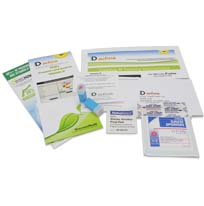
  7. I encourage you to participate in the D*Action Project, which has multiple concurrent vitamin D programs going on. Not only will you be able to take control of your own health by participating, you’ll also become part of one of the most profound public health projects of the 21st Century. To participate, simply purchase the D*Action Measurement Kit and follow the registration instructions included.

    As a participant, you agree to test your vitamin D levels twice a year during a five year program, and share your health status to demonstrate the public health impact of this nutrient. There is a $65 fee each 6 months for your sponsorship of the project, which includes a test kit to be used at home, and electronic reports on your ongoing progress. You will get a follow up email every six months reminding you "it's time for your next test and health survey."
    fat Switch
    Order button

  8. Limit your exposure to toxins of all kinds. The number of toxic chemicals and their sources is so large, addressing them all could easily require an entire library, but I believe you can help you keep your toxic load as low as possible by becoming an informed and vigilant consumer. This includes tossing out your toxic household cleaners, soaps, personal hygiene products, air fresheners, bug sprays, lawn pesticides, and insecticides, just to name a few, and replacing them with non-toxic alternatives.
  9. Get plenty of quality sleep. Scientists have discovered that your circadian rhythms regulate the energy levels in your cells. In addition, the proteins involved with your circadian rhythm and metabolism are intrinsically linked and dependent upon each other. Therefore, when your circadian rhythm is disrupted, it can have a profound influence on your physical health. For example, research has also linked disrupted sleep cycles to serious health problems like depression, coronary heart diseases, and even cancer. If you have any kind of sleep problem, whether you’re having trouble falling asleep or staying asleep, my article 33 Secrets to a Good Night's Sleep is packed with great tips to help you finally get some good rest.

8 Things Your Grandparents Did That Could Save Your Life

For even more inspiration and guidance, check out the following eight “forgotten wisdoms” your grandparents adhered to that could quite literally save your life. To learn more, please follow the hyperlinks provided:
Grow your own food Get back in the kitchen and learn to cook from scratch
Make your own cleaning products Learn some home remedies
Discover the power of broth Ferment your own foods
Firm up your social network and close friendships Spend time outside / Go barefoot

In the event you do need medical care, seek out a health care practitioner who will help you move toward complete wellness by helping you discover and understand the hidden causes of your health challenges, and create a customized and comprehensive – i.e. holistic – treatment plan for you.

Learn more here.